“Cancelled or canceled” is a common spelling question that often confuses writers, students, and professionals alike.
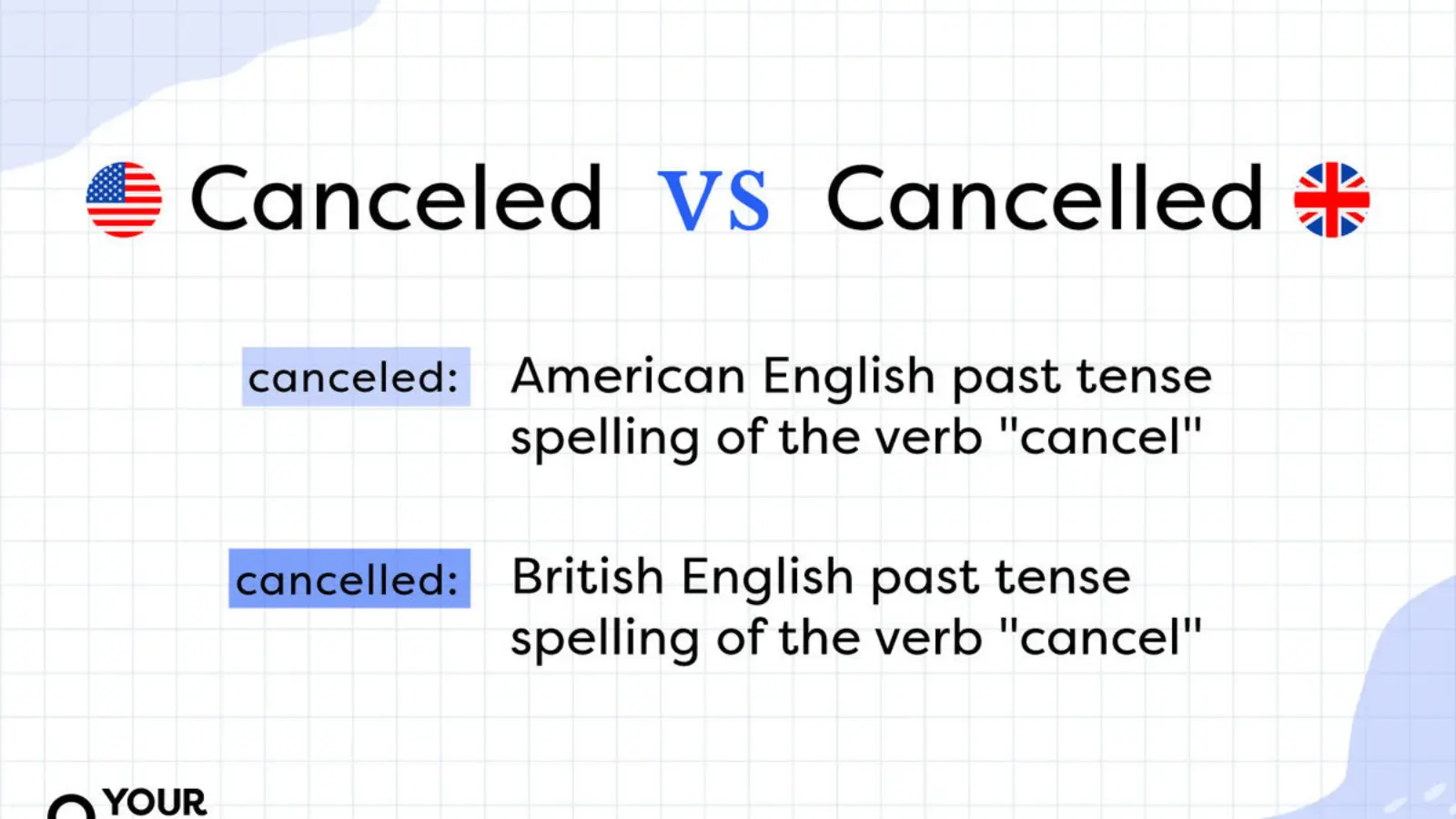
The short answer is simple: both spellings are correct, but their usage depends on the type of English you are using. “Canceled” is preferred in American English, while “cancelled” is standard in British English and many other regions.
People frequently search for this keyword because spelling consistency matters in writing, academic work, and professional communication.
Understanding the difference not only improves your grammar but also ensures your content matches your audience’s expectations.
Cancelled or Canceled: What’s the Difference?
The difference between cancelled or canceled comes down to regional spelling conventions.
- Canceled (one “l”) → American English (US)
- Cancelled (two “l’s”) → British English (UK), Canadian, Australian English
Why Does This Difference Exist?
The variation is due to historical spelling reforms:
- American English simplified many words (e.g., color vs colour)
- British English retained traditional spellings
So, both forms are grammatically correct—they just belong to different language systems.
When to Use “Canceled” (American English)
Use “canceled” if your audience is primarily in the United States.
Examples:
- The flight was canceled due to bad weather.
- The meeting has been canceled.
- She canceled her subscription yesterday.
Key Tip:
If you’re writing for:
- US blogs
- American businesses
- SEO targeting US traffic
👉 Use “canceled”
When to Use “Cancelled” (British English)
Use “cancelled” for British or international audiences.
Examples:
- The match was cancelled because of rain.
- Their plans got cancelled at the last minute.
- The show has been cancelled.
Common Regions Using “Cancelled”:
- United Kingdom 🇬🇧
- Canada 🇨🇦
- Australia 🇦🇺
- New Zealand 🇳🇿
👉 Use “cancelled” if targeting global or UK audiences.
Cancelled vs Canceled: Comparison Table
| Feature | Canceled (US) | Cancelled (UK) |
|---|---|---|
| Region | United States | UK, Canada, Australia |
| Spelling Style | Simplified | Traditional |
| Usage in (US) | Preferred | Less common |
| Usage in (Global) | Less common | Preferred |
| Example Sentence | Flight canceled | Flight cancelled |
Why Do Some Words Double the “L”?
This confusion happens because of spelling rules related to stressed syllables.
Rule (Simplified):
- In British English → double the “l” more often
- In American English → double only if stress is on last syllable
Example:
- Cancel → cancelled (UK)
- Cancel → canceled (US)
Compare with:
- Travel → travelled (UK) vs traveled (US)
- Label → labelled (UK) vs labeled (US)
Cancelled or Canceled in SEO Writing
If you’re creating content for search engines, choosing between cancelled or canceled matters more than you might think.
SEO Strategy Tips:
- Targeting US traffic → use “canceled”
- Targeting UK/global traffic → use “cancelled”
- For mixed/global SEO → include both variations naturally
Example:
“Whether your event was canceled or cancelled, it’s important to communicate clearly with your audience.”
This helps capture searches for both variations.
Voice Search Optimization
People often ask:
- “Is it canceled or cancelled?”
- “Which spelling is correct: cancelled or canceled?”
- “Why do Americans spell canceled differently?”
Direct Answer (Featured Snippet Style):
Both “canceled” and “cancelled” are correct. “Canceled” is used in American English, while “cancelled” is used in British English and most other regions.
Common Mistakes to Avoid
Even though both spellings are correct, mixing them incorrectly can look unprofessional.
Avoid This:
❌ The event was canceled, and all tickets were cancelled.
👉 (Inconsistent spelling)
Use This:
✔ The event was canceled, and all tickets were canceled. (US)
✔ The event was cancelled, and all tickets were cancelled. (UK)
How to Stay Consistent in Writing
Consistency is key, especially in:
- Blog posts
- Academic writing
- Business communication
- Website content
Tips:
- Choose one style (US or UK) before writing
- Set language preference in tools like Grammarly or Word
- Follow your brand’s style guide
Cancelled or Canceled in Real-Life Contexts
In Business Communication:
- Emails: Use your company’s regional style
- Contracts: Be consistent throughout
In Social Media:
- Either form works, but consistency improves professionalism
In Academic Writing:
- Follow your institution’s required style (APA, MLA, etc.)
Interesting Facts About “Cancelled or Canceled”
- Google shows results for both spellings—but “canceled” dominates US searches
- British English tends to preserve older linguistic forms
- Microsoft Word and Grammarly auto-correct based on language settings
- Both spellings appear in major dictionaries like Oxford and Merriam-Webster
Cancelled or Canceled vs Other Similar Words
Here are similar spelling differences:
| American English | British English |
|---|---|
| Canceled | Cancelled |
| Traveled | Travelled |
| Labeled | Labelled |
| Modeled | Modelled |
FAQ: Cancelled or Canceled
1. Which is correct: cancelled or canceled?
Both are correct. “Canceled” is American English, while “cancelled” is British English.
2. Is “cancelled” wrong in the US?
No, but it’s less common. Americans prefer “canceled.”
3. Why does British English use “cancelled”?
British English follows traditional spelling rules, which often double consonants.
4. Should I use canceled or cancelled for SEO?
Use “canceled” for US audiences and “cancelled” for UK/global audiences. Or include both naturally.
5. How do I remember the difference?
Think:
- US = shorter spelling → canceled
- UK = longer spelling → cancelled
Conclusion
The debate over “cancelled or canceled” isn’t about right or wrong—it’s about context and audience. Both spellings are correct, but choosing the right one depends on whether you’re using American or British English.
For SEO, professional writing, and clear communication, consistency matters more than preference. By understanding these differences, you can write more effectively, connect with your target audience, and avoid common grammar mistakes. Whether your plans get canceled or cancelled, at least your spelling won’t be the problem.

-
Daniel writes captions that connect. With a love for words and culture, he brings depth, wit, and fresh perspective to social media content.