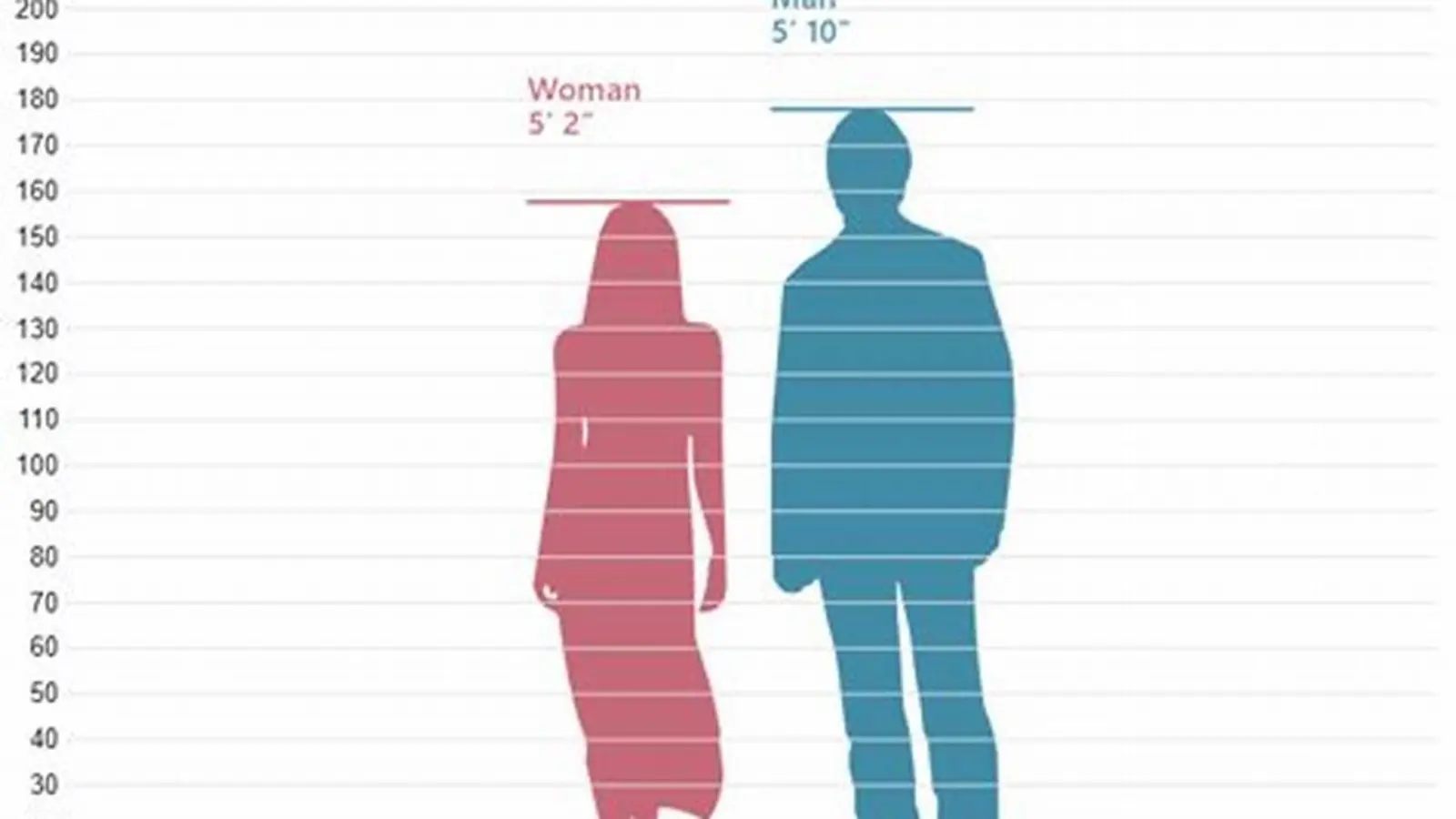
A height calculator is a practical tool used to estimate a person’s current or future height based on age, genetics, gender, and growth patterns.
Many people search for a height calculator to predict a child’s adult height, compare height with averages, or better understand growth development.
Height prediction has become increasingly popular because it helps parents, athletes, and health-conscious individuals monitor growth trends.
Whether you are wondering how tall your child may become, comparing your height to national averages, or simply curious about the science behind growth, a reliable height calculator can provide useful insights.
While no calculator guarantees 100% precision, modern prediction methods offer highly accurate estimates using genetics, bone age, and growth rate analysis.
What Is a Height Calculator?
A height calculator is an estimation tool designed to predict a person’s final height or calculate current height comparisons using scientific formulas.
It commonly uses factors like:
- Age
- Gender
- Current height
- Parents’ heights
- Growth patterns
- Nutrition and health factors
The purpose of a height calculator is to provide realistic height estimates based on biological growth trends.
Why People Use a Height Calculator
People commonly search for a height calculator for:
- Predicting a child’s adult height
- Comparing height against average growth charts
- Tracking development milestones
- Sports performance analysis
- Curiosity about future growth potential
How Does a Height Calculator Work?
A height calculator works by applying mathematical growth prediction formulas.
1. Mid-Parental Height Formula
This is the most common method.
For Boys:
(Father’s Height + Mother’s Height + 5 inches) ÷ 2
For Girls:
(Father’s Height + Mother’s Height – 5 inches) ÷ 2
This formula gives an approximate adult height.
Example Calculation
| Parent | Height |
|---|---|
| Father | 5’10” (178 cm) |
| Mother | 5’5″ (165 cm) |
Boy Prediction:
(70 + 65 + 5) ÷ 2 = 70 inches = 5’10”
Girl Prediction:
(70 + 65 – 5) ÷ 2 = 65 inches = 5’5″
This simple height calculator method is widely used by pediatricians.
2. Growth Chart Method
Doctors use standardized growth charts to compare children against age-based averages.
This method evaluates:
- Height percentile
- Age progression
- Growth velocity
- Bone development
A growth chart-based height calculator often provides more precise estimates.
3. Bone Age Height Calculator
This method uses X-rays to determine skeletal maturity.
It is often considered the most accurate because it measures:
- Growth plate development
- Remaining growth potential
- Skeletal age vs actual age
Height Calculator in 2026: Current Accuracy and Technology
Modern height calculator 2026 tools have improved significantly due to AI-driven prediction models.
Today’s calculators include:
- Machine learning analysis
- Personalized growth projections
- Genetic data integration
- Nutrition-based prediction adjustments
These tools are far more advanced than traditional formulas.
How Tall Can a Height Calculator Predict?
A height calculator predicts adult height ranges rather than exact measurements.
Typical accuracy:
| Calculator Type | Accuracy Range |
|---|---|
| Basic Formula | ±2–4 inches |
| Growth Chart Calculator | ±1–3 inches |
| Bone Age Calculator | ±1–2 inches |
| AI-Based Height Calculator | ±1 inch |
Height Calculator Comparison Methods
Height Calculator vs Manual Estimation
| Feature | Height Calculator | Manual Guess |
|---|---|---|
| Scientific Basis | Yes | No |
| Uses Genetics | Yes | Rarely |
| Accuracy | High | Low |
| Tracks Growth | Yes | No |
A professional height calculator is significantly more reliable.
Height Calculator vs Average Person
Understanding how predicted height compares to average population height is important.
Average Height Comparison Table
| Category | Average Height (Feet/Inches) | Average Height (cm) |
|---|---|---|
| Adult Men Worldwide | 5’7″ | 170 cm |
| Adult Women Worldwide | 5’3″ | 160 cm |
If your height calculator predicts:
- Above 6’0″ (183 cm): Taller than average
- 5’7″–5’11”: Average to above average
- Below 5’5″: Below average
Factors That Influence Height Calculator Results
A height calculator depends heavily on biological and environmental variables.
Genetics
Genetics accounts for approximately 80% of height potential.
Inherited traits determine:
- Bone structure
- Growth plate timing
- Hormonal patterns
Nutrition
Nutrition directly impacts growth.
Essential nutrients include:
- Protein
- Calcium
- Vitamin D
- Zinc
- Magnesium
Poor nutrition may cause actual height to fall below height calculator predictions.
Sleep
Growth hormone is primarily released during deep sleep.
Children who consistently sleep well often align closely with their height calculator estimates.
Exercise
Physical activity supports:
- Bone density
- Muscle growth
- Healthy posture
While exercise does not drastically increase height, it helps maximize natural potential.
Medical Conditions
Certain conditions can affect growth:
- Growth hormone deficiency
- Thyroid disorders
- Chronic illness
- Nutritional deficiencies
These can influence height calculator accuracy.
Height Growth Timeline Over the Years
A person’s growth follows predictable stages.
Birth to Age 2
Rapid growth period.
Average increase:
10–12 inches per year
Age 3 to 10
Steady growth.
Average increase:
2–3 inches annually
Puberty Growth Spurt
Most dramatic growth phase.
Boys:
Ages 12–16
Girls:
Ages 10–14
Growth may increase:
3–5 inches yearly
Age 18+
Growth usually stops after growth plates close.
A height calculator becomes less predictive after adulthood.
Height Calculator for Boys
A boys’ height calculator often accounts for:
- Later puberty
- Longer growth duration
- Higher average final height
Average adult male predictions:
| Percentile | Height |
|---|---|
| 25th | 5’7″ |
| 50th | 5’9″ |
| 75th | 6’0″ |
Height Calculator for Girls
Girls typically grow earlier but stop sooner.
Average adult female predictions:
| Percentile | Height |
|---|---|
| 25th | 5’2″ |
| 50th | 5’4″ |
| 75th | 5’7″ |
Height Calculator Height Comparison Examples
Predicted Height vs Popular Heights
| Predicted Height | Comparison |
|---|---|
| 5’4″ (163 cm) | Average female height |
| 5’9″ (175 cm) | Average male height |
| 6’0″ (183 cm) | Tall |
| 6’4″ (193 cm) | Very tall |
A height calculator height comparison helps visualize growth expectations.
Surprising Facts About Height Calculators
1. Genetics Isn’t Everything
Lifestyle can significantly impact final height.
2. Siblings Can Have Different Heights
Even with the same parents, growth genes vary.
3. Posture Affects Measured Height
Poor posture may reduce measured height by 1–2 inches.
4. Growth Continues Differently
Some late bloomers grow into their early 20s.
5. Height Calculator Predictions Can Shift
Puberty timing can alter outcomes.
How to Use a Height Calculator Correctly
For accurate results:
Measure Height Properly
Stand:
- Barefoot
- Against a wall
- Looking straight ahead
Enter Correct Age
Even small age errors affect predictions.
Use Parent Heights Accurately
Exact measurements improve height calculator reliability.
Is a Height Calculator Always Accurate?
No height calculator guarantees exact outcomes.
Reasons include:
- Genetic variation
- Environmental factors
- Hormonal development
- Measurement inconsistencies
Think of results as estimates, not promises.
Best Uses for a Height Calculator
A height calculator is ideal for:
- Parents monitoring child growth
- Athletes tracking development
- Medical consultations
- Educational purposes
Frequently Asked Questions (FAQ)
How accurate is a height calculator?
Most calculators are accurate within 1–4 inches, depending on method and data quality.
What is the best height calculator?
Bone age and AI-based calculators are generally the most accurate.
Can a height calculator predict exact adult height?
No. It estimates likely ranges based on available growth data.
Does nutrition affect height calculator results?
Yes. Poor nutrition can reduce actual growth below predictions.
Can adults use a height calculator?
Adults can use it for comparisons, but future height prediction is usually not relevant after growth stops.
How does a height calculator work in feet and centimeters?
It converts measurements and applies growth formulas to estimate adult height.
Can sleep influence height?
Yes. Growth hormone release during sleep supports natural development.
Height Calculator: Key Benefits
Using a height calculator offers:
- Better growth awareness
- Early detection of concerns
- Easy comparison with averages
- Scientific growth projections
Conclusion
A height calculator is a valuable tool for estimating height based on genetics, age, and growth patterns. While it cannot predict exact outcomes, it provides reliable estimates that help users understand growth potential.
Modern height calculator 2026 tools combine advanced algorithms, growth charts, and biological data for increasingly accurate predictions.
Whether you’re calculating a child’s future height, comparing against average growth, or satisfying curiosity, a trusted height calculator offers meaningful insight.
Height is influenced by genetics, nutrition, sleep, and overall health, so the best predictions come from combining scientific formulas with healthy lifestyle habits.
