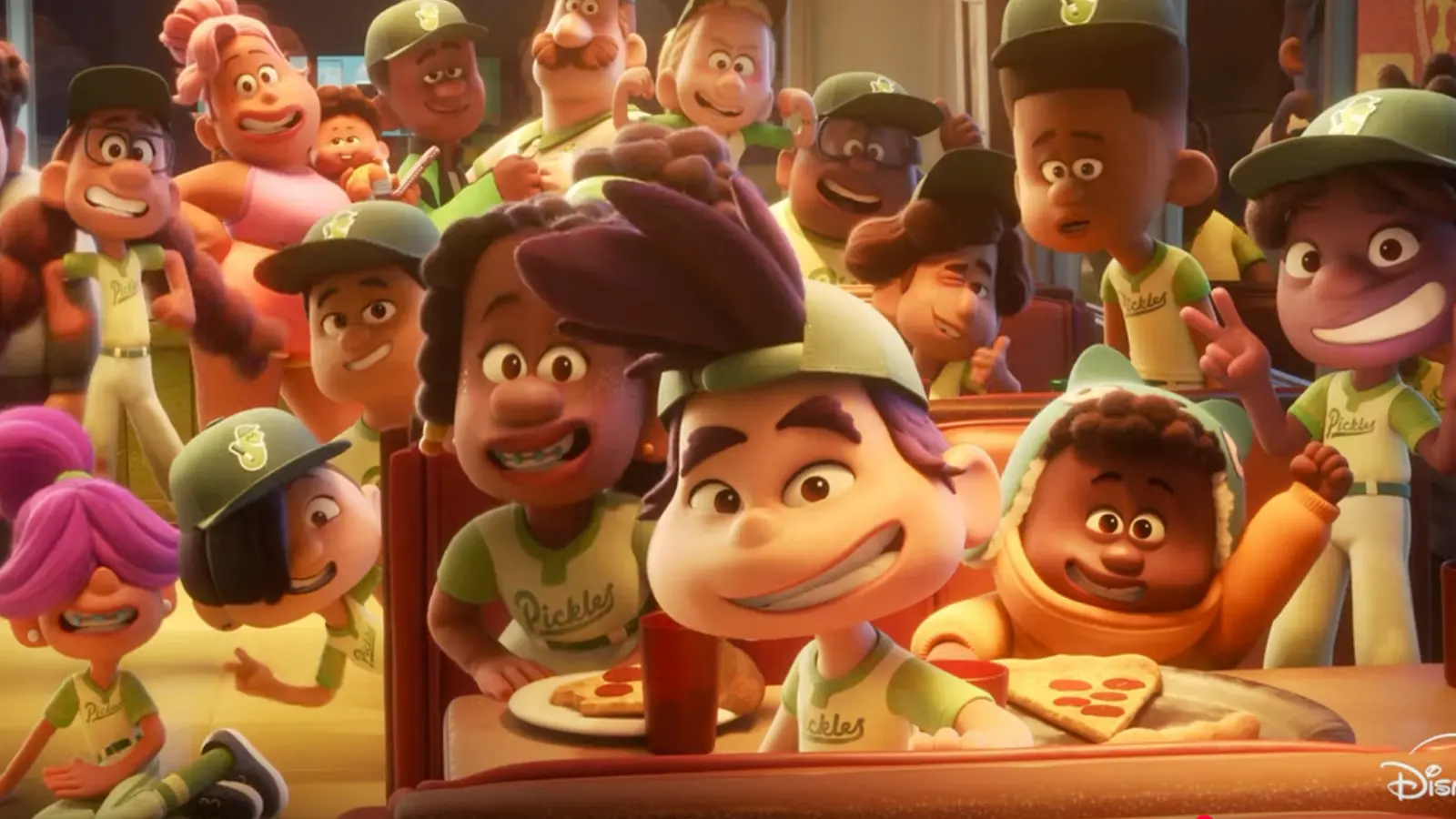
The phrase “win or lose” is commonly used in sports, business, relationships, gaming, and everyday life to describe situations where outcomes can either lead to success or failure.
While many people focus only on winning, the real meaning behind win or lose goes deeper. It represents resilience, learning, growth, and the ability to move forward regardless of the result.
People search for the term “win or lose” because they want motivation, mindset advice, sports inspiration, or emotional encouragement after difficult situations.
Whether in competition or personal goals, understanding the value of both winning and losing can help individuals improve confidence, develop stronger habits, and build long-term success in life.
What Does “Win or Lose” Mean?
The expression win or lose refers to the outcome of any challenge, competition, or decision. It highlights the reality that every situation has possible success or failure.
Simple Definition
- Win: Achieving success or reaching a desired result
- Lose: Failing to achieve the intended goal
However, modern psychology and self-development experts often explain that losing does not always mean failure. Many successful people learn more from losses than wins.
Why the Phrase Is So Popular
The phrase appears in:
- Sports commentary
- Motivational speeches
- Movies and TV shows
- Business coaching
- Social media captions
- Competitive gaming
People connect with the phrase because everyone experiences both success and setbacks.
The Real Psychology Behind Win or Lose
Winning Creates Confidence
Winning often gives people:
- Higher self-esteem
- Motivation
- Recognition
- Emotional satisfaction
For athletes, students, and professionals, victories can increase confidence and encourage future success.
Losing Builds Character
Although losing feels disappointing, it can provide valuable lessons such as:
- Patience
- Discipline
- Emotional strength
- Problem-solving skills
- Resilience
Many successful entrepreneurs and athletes failed multiple times before becoming famous.
Examples of Famous People Who Lost Before Winning
| Person | Early Failure | Later Success |
| Michael Jordan | Cut from basketball team | NBA legend |
| Elon Musk | Business setbacks | Billionaire entrepreneur |
| J.K. Rowling | Rejected by publishers | Harry Potter success |
| Cristiano Ronaldo | Tough childhood challenges | Football superstar |
These examples prove that a win or lose mindset matters more than temporary results.
Why People Search for “Win or Lose”
The keyword win or lose has become highly searched because people want emotional support, inspiration, and practical advice.
Common Reasons Behind Searches
1. Motivation After Failure
Many users search after:
- Losing a game
- Failing exams
- Breakups
- Career disappointments
2. Sports and Competition
Sports fans often search for:
- Win or lose quotes
- Team motivation
- Competition psychology
3. Life Advice
People also want guidance on handling both victory and defeat in healthy ways.
Win or Lose in Sports
Sports represent the clearest example of the win or lose concept.
Why Sports Teach Important Lessons
Athletes learn:
- Teamwork
- Hard work
- Mental toughness
- Leadership
- Discipline
Even losing teams gain experience that helps future performance.
Famous Win or Lose Sports Quotes
Here are some inspiring quotes connected to the keyword win or lose:
“You win some, you lose some, but you live to fight another day.”
“Winning isn’t everything, but wanting to win is.”
“Sometimes you win, sometimes you learn.”
These quotes remind people that losing can still lead to improvement.
Win or Lose Mindset: Winners vs Losers
The biggest difference between successful and unsuccessful people is often mindset.
Comparison Table: Winner Mindset vs Loser Mindset
| Winner Mindset | Loser Mindset |
| Learns from mistakes | Blames others |
| Stays motivated | Gives up easily |
| Focuses on growth | Focuses on excuses |
| Accepts challenges | Avoids risks |
| Improves daily | Stays comfortable |
This table explains why the phrase win or lose is about attitude as much as results.
How to Handle Winning the Right Way
Winning can feel exciting, but handling success correctly matters.
Healthy Ways to Respond After Winning
Stay Humble
Respect opponents and avoid arrogance.
Keep Improving
Many people stop growing after success. Continuous improvement matters.
Celebrate Responsibly
Enjoy victories without becoming overconfident.
Help Others
Successful people often mentor teammates or inspire younger generations.
How to Handle Losing Positively
Losing is emotionally difficult, but it can create stronger people.
Best Ways to Recover After a Loss
Accept Reality
Avoid denial and understand what happened.
Analyze Mistakes
Review what went wrong objectively.
Focus on Improvement
Every loss can become a learning opportunity.
Avoid Negative Thinking
Temporary failure does not define a person forever.
Win or Lose in Business
The business world constantly revolves around success and failure.
Entrepreneurs and Risk
Business owners regularly face:
- Financial risks
- Competition
- Rejection
- Uncertainty
Even top companies experience setbacks before major success.
Business Lessons From Losing
| Business Challenge | Lesson Learned |
| Failed product launch | Better market research |
| Customer complaints | Improved service |
| Financial losses | Smarter budgeting |
| Competition pressure | Innovation and creativity |
Win or Lose in Relationships
Relationships also involve emotional wins and losses.
Emotional Growth Through Challenges
People learn:
- Communication
- Trust
- Patience
- Emotional intelligence
Even failed relationships can teach valuable life lessons.
The Importance of Emotional Resilience
What Is Resilience?
Resilience means recovering quickly from difficulties.
People with strong resilience:
- Stay positive
- Adapt to change
- Continue trying after setbacks
- Handle pressure better
Why Resilience Matters in Win or Lose Situations
Without resilience, even small failures can feel overwhelming. Strong emotional health helps people move forward confidently.
Win or Lose and Mental Health
Competition and pressure sometimes affect mental well-being.
Healthy Competition Tips
Avoid Comparing Yourself Constantly
Everyone grows differently.
Focus on Progress
Small improvements matter.
Take Breaks
Rest helps mental recovery.
Ask for Support
Friends, coaches, or family can provide encouragement.
Win or Lose in Gaming Culture
Gaming communities frequently use the phrase win or lose.
Why Gamers Relate to the Concept
Competitive gaming includes:
- Ranked matches
- Tournaments
- Team battles
- Skill development
Gamers often learn persistence because improvement requires practice.
Win or Lose in Movies and Entertainment
Movies frequently explore themes of victory and defeat.
Popular Themes
- Underdog stories
- Redemption arcs
- Personal growth
- Team success
Audiences enjoy these stories because they reflect real-life struggles.
Lessons Children Learn From Win or Lose Situations
Children develop important skills through competition.
Key Benefits
| Lesson | Why It Matters |
| Teamwork | Builds cooperation |
| Patience | Improves emotional control |
| Discipline | Encourages consistency |
| Confidence | Supports self-esteem |
| Respect | Teaches sportsmanship |
Parents and teachers often encourage healthy competition to build life skills.
Why Losing Is Sometimes Better Than Winning
This may sound surprising, but losing can offer unique advantages.
Benefits of Losing
Encourages Self-Reflection
People analyze weaknesses more carefully.
Builds Mental Toughness
Challenges improve emotional strength.
Creates Hunger for Success
Failure often increases motivation.
Develops Humility
People appreciate success more after setbacks.
Win or Lose in Everyday Life
The concept applies beyond sports or business.
Everyday Examples
- Job interviews
- School exams
- Driving tests
- Creative projects
- Social situations
Every person experiences moments of both victory and disappointment.
How Society Views Winning and Losing
Modern culture often celebrates winners heavily, especially online.
Social Media Pressure
Social media can make people feel:
- Less successful
- Insecure
- Pressured to appear perfect
However, real life includes struggles that are rarely shown publicly.
Healthy Perspective on Success
Success Is Personal
Success means different things for different people.
For example:
- Financial stability
- Happiness
- Family life
- Career growth
- Personal peace
Not every success is measured by trophies or money.
Inspirational Win or Lose Quotes
Here are some motivational quotes connected to the keyword win or lose:
“A champion is defined not by their wins but by how they recover when they fall.”
“Every loss teaches something victory cannot.”
“Winning makes you happy. Losing makes you wiser.”
“Success is not final, failure is not fatal.”
Common Mistakes People Make After Losing
1. Giving Up Too Quickly
Temporary failure should not end long-term goals.
2. Comparing to Others
Everyone progresses differently.
3. Ignoring Lessons
Mistakes become valuable when analyzed.
4. Negative Self-Talk
Confidence matters during difficult times.
Win or Lose and Personal Development
Self-improvement experts often say growth matters more than outcomes.
Daily Habits That Build a Winning Mindset
- Reading regularly
- Exercising consistently
- Practicing gratitude
- Learning new skills
- Staying disciplined
Small habits create long-term results.
Frequently Asked Questions (FAQ)
What does win or lose mean?
The phrase win or lose describes situations where success or failure is possible. It also represents learning, resilience, and personal growth.
Why is the phrase win or lose so popular?
People relate to it because everyone experiences victories and setbacks in sports, business, relationships, and daily life.
Is losing always bad?
No. Losing often teaches valuable lessons like patience, discipline, and emotional resilience.
How can I stay positive after losing?
Focus on learning from mistakes, improving skills, and remembering that setbacks are temporary.
Why do successful people talk about failure?
Many successful individuals experienced failure before reaching their goals. Failure often helps build experience and determination.
What is a winning mindset?
A winning mindset focuses on growth, learning, discipline, and persistence instead of fear or excuses.
Can losing help personal growth?
Yes. Losing can improve emotional strength, humility, and problem-solving abilities.
Conclusion
The phrase win or lose represents far more than simple victory or defeat. It reflects the challenges, lessons, emotions, and growth people experience throughout life.
Winning can build confidence and motivation, while losing often teaches resilience, discipline, and determination.
Whether in sports, business, relationships, or personal goals, both outcomes shape character and future success.
People continue searching for win or lose because the concept connects deeply with human experience and personal development.
Ultimately, the most important factor is not whether someone wins or loses today, but how they respond, learn, and continue moving forward toward future success.
